
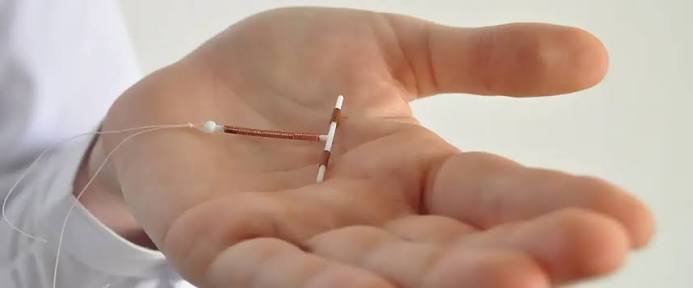

A U.S.-based guide to replacement timing, same-day removal and reinsertion, pain control, pregnancy prevention, and the questions to ask before your appointment.
An intrauterine device does not have to stay in place until the last possible day of use. IUD Replacement can be scheduled earlier if you want to become pregnant, switch methods, change IUD types, or stop because of side effects. If you want to continue using an IUD, replacement is usually planned before or by the end of the device’s approved contraceptive lifespan.
For many people, replacement is simpler than the first insertion because the appointment can often combine removal of the old IUD and placement of the new one in the same visit. That avoids a contraceptive gap and means you do not have to schedule two separate procedures.
The most important part is knowing which IUD you have, when it was inserted, why you use it, and whether the replacement is being done for contraception, heavy menstrual bleeding, or both.
| KEY TAKEAWAYS
· In the United States, current contraceptive durations are up to 8 years for Mirena, 8 years for Liletta, 5 years for Kyleena, 3 years for Skyla, and 10 years for Paragard. · Mirena and Liletta have a shorter 5-year approved duration when they are being used specifically to treat heavy menstrual bleeding. · An old IUD can often be removed and a new one inserted during the same appointment. · You do not usually need to wait for your period to have an IUD inserted if the clinician can be reasonably certain you are not pregnant. · Whether you need condoms or abstinence for 7 days after a hormonal IUD is inserted depends on timing and what method you are switching from. · Pain control can be discussed in advance. Current CDC guidance says topical or paracervical lidocaine may help some patients, while routine misoprostol is not recommended. |
When Does Each IUD Need to Be Replaced in the U.S.?
The replacement date depends on the exact brand. Do not assume every hormonal IUD lasts the same number of years.
| Brand | Type | Contraception | Important U.S. Note |
| Mirena | Hormonal, levonorgestrel 52 mg | Up to 8 years | Heavy menstrual bleeding: up to 5 years |
| Liletta | Hormonal, levonorgestrel 52 mg | Up to 8 years | Heavy menstrual bleeding: up to 5 years |
| Kyleena | Hormonal, levonorgestrel 19.5 mg | Up to 5 years | Not FDA-approved for heavy menstrual bleeding |
| Skyla | Hormonal, levonorgestrel 13.5 mg | Up to 3 years | Not FDA-approved for heavy menstrual bleeding |
| Paragard | Copper, hormone-free | Up to 10 years | No heavy-menstrual-bleeding indication |
The American College of Obstetricians and Gynecologists IUD and implant FAQ summarizes the U.S. IUD options and notes that hormonal IUDs are approved for different lengths of use, while the copper IUD is approved for up to 10 years.
If you are unsure which device you have, check the card or paperwork you received at insertion, your patient portal, or the clinic that placed it. The brand matters because replacing a Skyla at year 3 is very different from replacing a Mirena or Liletta at year 8.
Do not rely on an expired IUD without talking to a clinician. Research on extended use exists for selected devices, but the safest consumer guidance is to follow current U.S. labeling or an individualized recommendation from your healthcare professional.
Do You Have to Wait Until the IUD Expires?
No. An IUD can be removed at any time.
You might choose replacement before the labeled end date if you want a different IUD, your bleeding pattern is no longer acceptable, the device is malpositioned, the strings cannot be managed normally, you are nearing the approved duration and want to schedule ahead, or you are changing from a copper IUD to a hormonal IUD or vice versa.
Replacing early does not require you to prove that the old IUD has ‘failed.’ Contraceptive care should be based on your preferences, health history, and current goals.
Can an Old IUD Be Removed and a New One Inserted the Same Day?
Yes, in many cases.
Same-day replacement is a common approach when the old IUD can be removed normally, pregnancy can be reasonably excluded, there is no condition that makes immediate placement unsafe, and the clinic has the replacement device available.
For example, current Mirena and Liletta materials state that a new IUD can be placed during the same visit after the old one is removed. Kyleena guidance also allows immediate replacement.
The removal step is usually quick. The clinician uses a speculum to see the cervix, grasps the IUD strings, and applies steady traction. The arms fold upward as the device passes through the cervix. After removal, the clinician can prepare the uterus and place the new IUD.
If you do not want another IUD, fertility can return quickly after removal, so contraceptive planning matters before the old device comes out.
Do You Need to Be on Your Period for IUD Replacement?
Usually not.
Under the CDC U.S. Selected Practice Recommendations for intrauterine contraception, a copper or levonorgestrel IUD can be placed at any point in the menstrual cycle if the healthcare professional is reasonably certain the patient is not pregnant.
Waiting for the next period is therefore unnecessary in many situations.
The clinic may ask about the date of your last menstrual period, recent vaginal intercourse, use of the current IUD, missed or late periods, pregnancy symptoms, recent birth or abortion, and other contraception. A urine pregnancy test may be used, but the timing history is also important because a very early pregnancy may not yet appear on a test.
Could Sex Before IUD Removal Create a Pregnancy Risk?
Yes, depending on the situation.
Sperm can remain viable in the reproductive tract for several days. If an effective IUD is removed and a new method is not immediately protective, sperm from recent intercourse can create a pregnancy risk.
This is most important when there will be a gap between removal and the new method, or when switching from a copper IUD to a hormonal IUD later in the menstrual cycle.
If you are planning replacement, tell the clinic about unprotected vaginal intercourse in the previous week. Do not assume that because the old IUD was protecting you at the time of sex, removal several days later can never matter.
Will I Need Backup Birth Control After Replacement?
The answer depends on the new device and timing.
A copper IUD is effective immediately after placement, so CDC guidance does not require backup contraception after insertion.
For a hormonal IUD, CDC guidance says that if the device is placed within the first 7 days after menstrual bleeding begins, additional protection is not needed. If it is placed more than 7 days after bleeding began, the standard recommendation is to abstain from vaginal intercourse or use a barrier method such as condoms for the next 7 days.
Switching from another method can create special timing considerations. When the old method is an IUD, the clinician may adjust the plan based on recent sex, the point in the menstrual cycle, and whether the old device remains in place long enough to maintain protection.
Because same-day replacement can involve different IUD combinations, ask one direct question before leaving the clinic: ‘Am I protected today, or do I need condoms or abstinence for 7 days?’
What Does IUD Replacement Feel Like?
Replacement has two separate sensations: removal and insertion.
Removal
For many people, removal causes a short cramp that lasts seconds. Light bleeding or spotting can follow. Removal is often easier and faster than insertion.
Insertion
Insertion can cause stronger cramping because the cervix is passed and the uterus is measured before the new IUD is placed. Some people describe brief intense pain, while others experience moderate cramping. Pain varies widely and is not predicted perfectly by whether someone has given birth before.
It is reasonable to tell the clinician if your first insertion was very painful, you have a history of pelvic pain, you have experienced trauma, you faint with procedures, or you are highly anxious about replacement. Those details can change the pain-management plan.
What Pain-Control Options Are Available in 2026?
Pain control should be discussed before the procedure rather than treated as an afterthought.
The CDC’s 2024 U.S. Selected Practice Recommendations updated the evidence on medications used for IUD placement. Routine misoprostol is not recommended for uncomplicated placement, although it may be considered after a recent failed insertion attempt.
Topical lidocaine or a paracervical lidocaine block may reduce placement pain for some patients. Not every clinic offers every option, so ask when scheduling.
A practical conversation can include:
- Whether an over-the-counter pain reliever is appropriate for you before the appointment.
- Whether the clinic offers topical cervical anesthetic or a paracervical block.
- Whether anxiety, prior trauma, or previous severe insertion pain should change the plan.
- Whether ultrasound guidance is available if your prior insertion or removal was difficult.
- What options are available if an office procedure cannot be completed comfortably or safely.
Do not take a medication you have been told to avoid because of kidney disease, stomach ulcers, bleeding problems, pregnancy, allergies, or interactions. If you are unsure, ask the clinic before taking anything.
What Happens If the IUD Strings Are Missing?
Missing strings do not automatically mean the IUD has left the uterus.
The strings can curl into the cervical canal or uterus, the device can move, or rarely the IUD can be expelled or perforate the uterus. A clinician may use a cervical instrument to look for the strings and may order ultrasound to confirm the device location.
If standard removal is unsuccessful or the device is embedded, ultrasound-guided removal or hysteroscopic removal may be needed. Many difficult removals are still completed without major surgery.
If you cannot feel your strings and that is new for you, or you can feel hard plastic at the cervix, use backup contraception and contact a healthcare professional until IUD location is confirmed.
Do You Need STI Testing Before a Replacement?
Not everyone needs new STI testing just because an IUD is being replaced.
CDC guidance says that most patients who have already been screened according to national recommendations do not need extra gonorrhea or chlamydia testing before IUD placement. If screening is due because of age or risk factors, it can often be done on the same day without delaying placement.
However, a person with current purulent cervicitis or known gonorrhea or chlamydia infection should not have an IUD inserted until the infection is appropriately managed.
When Should Replacement Be Delayed?
A clinician may postpone insertion of the new IUD when pregnancy cannot be reasonably excluded, there is an active cervical infection that makes IUD placement unsafe, there is postpartum sepsis, or another medical issue requires evaluation first.
Severe unexplained pelvic pain, abnormal bleeding, suspected pregnancy, or evidence that the current IUD is malpositioned can also change the plan. The old IUD may still be removed, but reinsertion timing depends on the cause.
What Should You Expect After a New IUD Is Placed?
Cramping and spotting are common after replacement. The pattern depends partly on the new device.
With a hormonal IUD, irregular spotting and light bleeding are common during the first several months. Bleeding often becomes lighter over time, and some users eventually have no periods.
With Paragard, periods can become heavier, longer, or more crampy at first. Those changes often improve over time but can remain bothersome for some users.
Your clinician may advise checking the strings, although routine self-checking practices vary. More important is knowing when to call.
When Should You Call the Clinic After Replacement?
Contact a healthcare professional if you develop:
- Severe or worsening pelvic or abdominal pain.
- Fever or chills, especially soon after placement.
- Very heavy bleeding.
- Foul-smelling or unusual vaginal discharge.
- Pain during sex that is new or severe.
- A positive pregnancy test or pregnancy symptoms.
- A sudden change in string length, inability to feel strings when you normally could, or feeling hard plastic at the cervix.
Seek urgent care for severe pain with fainting, heavy bleeding, signs of serious infection, or symptoms of ectopic pregnancy such as one-sided pelvic pain with dizziness or shoulder pain.
Should You Replace the Same IUD or Switch Types?
Replacement is a good time to reassess what you want from the method.
A hormonal IUD may be attractive if you want lighter periods or less menstrual bleeding. Paragard may be preferred if you want a long-acting option without hormones, although heavier periods can be a drawback.
You do not have to replace a Mirena with another Mirena or a Paragard with another Paragard. Switching is possible as long as the new device is medically appropriate.
Questions worth asking include:
- Do I want lighter bleeding, no hormones, or the longest available labeled duration?
- Did I like my current bleeding pattern?
- Did I have acne, pelvic pain, or other symptoms that I associate with the current device?
- Am I using the IUD only for contraception, or also to treat heavy menstrual bleeding?
- Do I expect to try for pregnancy within the next few years?
How Far Ahead Should You Schedule an IUD Replacement?
Do not wait until the expiration date if your clinic has long scheduling delays.
A practical approach is to check the insertion date several months before the approved end of use, confirm the brand, verify that the clinic carries the replacement you want, and ask whether insurance authorization or device ordering is required.
If you are replacing the IUD because you are using Mirena or Liletta for heavy menstrual bleeding rather than contraception alone, make sure the clinic knows that indication. The approved replacement timing for heavy bleeding is shorter than the contraceptive lifespan.
Frequently Asked Questions
Is IUD replacement more painful than the first insertion?
Not necessarily. Removal is usually brief, but the new insertion can still cause cramping similar to the first placement. Pain varies from person to person. If your first insertion was severe, ask about a more detailed pain-management plan before the replacement visit.
Can I replace my IUD before it expires?
Yes. An IUD can be removed and replaced earlier if you want a new device, a different type, or a change because of side effects or other concerns.
What happens if I leave an IUD in past its replacement date?
Do not assume protection continues indefinitely. Contact a clinician as you approach the labeled end of use. Some evidence supports extended use for selected devices, but that decision should be based on current U.S. guidance and your individual situation.
Can I get a new IUD immediately after the old one is removed?
Often yes. Same-day removal and reinsertion is common when there is no contraindication and pregnancy can be reasonably excluded.
Can I have sex before IUD replacement?
Recent sex can matter if the old IUD will be removed and the new method will not be immediately effective. Tell the clinic about unprotected intercourse during the preceding week so they can plan replacement safely.
Do I need a pregnancy test before replacement?
A pregnancy test may be used, but clinicians also use menstrual and contraceptive history to determine whether pregnancy can be reasonably excluded. A negative urine test alone does not always rule out a very early pregnancy.
Can I switch from Paragard to Mirena or another hormonal IUD?
Yes. Switching is possible. The clinician will consider recent sex and cycle timing because backup contraception or emergency contraception may be relevant when moving from a copper IUD to a hormonal IUD.
Can I switch from a hormonal IUD to Paragard?
Yes. A copper IUD can be placed immediately if pregnancy can be reasonably excluded, and CDC guidance says no backup contraception is needed after copper IUD placement.
The Bottom Line
IUD replacement is usually a planned transition, not an emergency procedure. In the U.S., the correct timing depends on your brand: Mirena and Liletta are approved for up to 8 years of contraception, Kyleena for 5 years, Skyla for 3 years, and Paragard for 10 years.
The old IUD can often be removed and the new one placed in the same appointment. You usually do not need to wait for a period, but pregnancy must be reasonably excluded and recent intercourse can affect the timing plan.
Before the visit, confirm your IUD brand and insertion date, decide whether you want the same type again, ask what pain-control options are available, and clarify whether you will need backup contraception after the new device is placed.
A well-planned replacement appointment should leave you with one clear answer before you go home: exactly when the new IUD is considered effective.
This article is for general educational purposes and is not individualized medical advice. U.S. IUD durations and clinical guidance were checked against current CDC, ACOG, and manufacturer information available in August 2026.